
The women redefining water security in Venezuela
Professor Ana Sánchez has spent decades watching mothers face the impossible choice of giving their children available but unsafe water, or watching them go without.
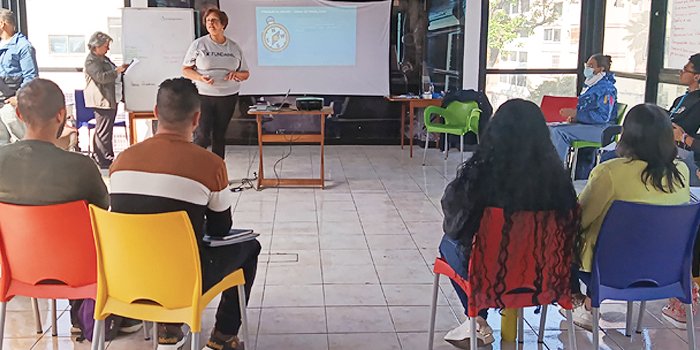
Lobelia Millán Maza, FUNDAINIL facilitator, leads a session during a workshop.
Unsafe water does more than cause illness. Repeated diarrheal disease can prevent children’s bodies from absorbing the nutrients they need to grow, contributing to malnutrition even when food is available.
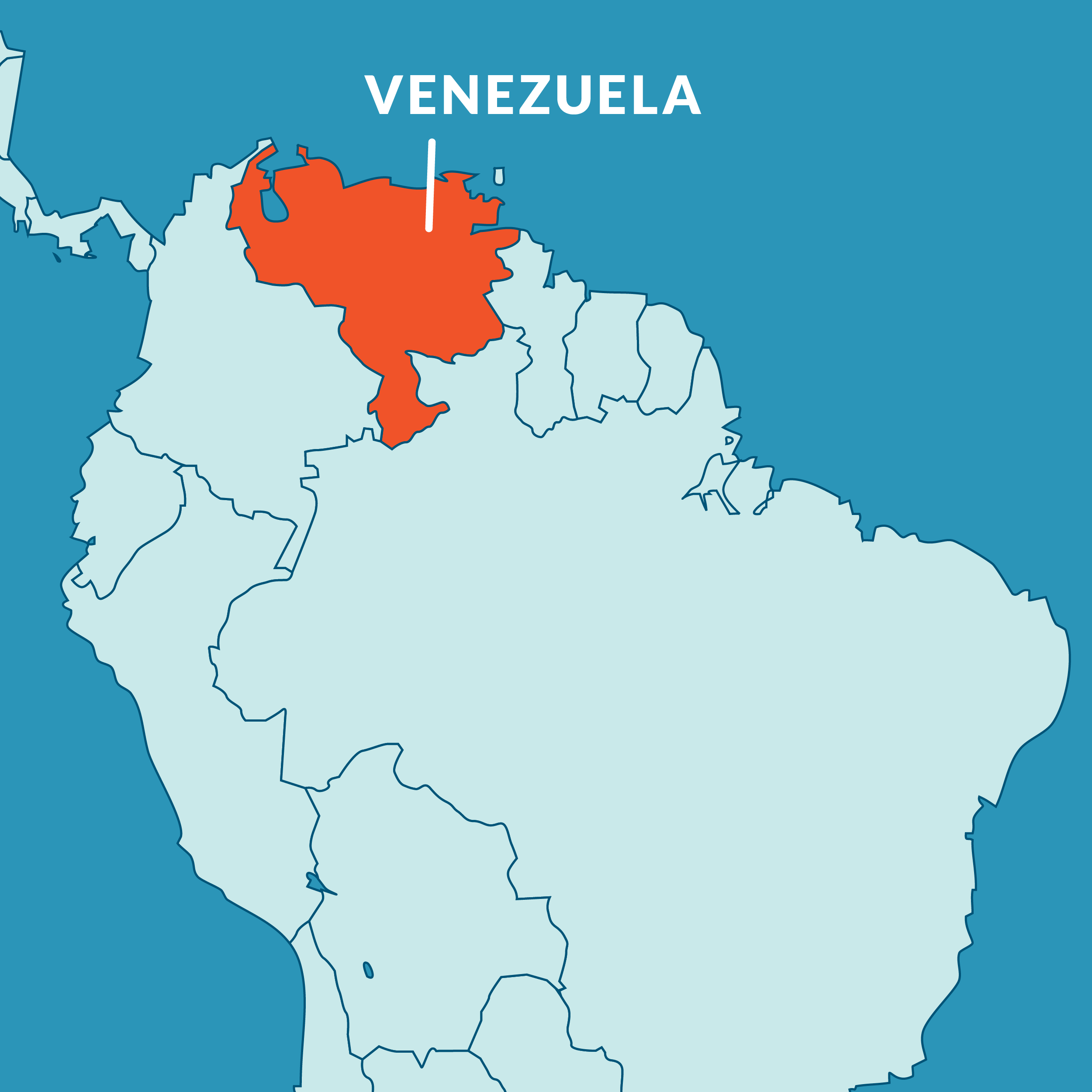
In many communities across Venezuela, this is part of daily life.
Aging infrastructure, power outages and unreliable water systems force families to rely on unsafe rivers, wells or contaminated tap water. Water filters are often unaffordable, chlorine for disinfection can be difficult to find, and even boiling water depends on fuel and electricity that are not always available.
For Professor Ana, the crisis has never just been about water. It is about children, and watching mothers try everything they can to protect their families while the systems around them continue to break down.
As the leader of Fundación de Atención Integral Juvenil (FUNDAINIL), a women-led non-profit with over 36 years of experience in social development, health, nutrition, and water and sanitation programs for vulnerable communities, Professor Ana knew temporary aid would never be enough. Communities needed practical ways to protect themselves, especially when outside support could not always reach them.
That belief became the foundation of a partnership with us at CAWST, focused on household water treatment, safe storage and practical education that families could apply in their own homes.
But carrying this work forward in Venezuela has never been easy. The women of FUNDAINIL continue working through constant uncertainty, travelling long distances, adapting to power outages, overcoming shortages and finding ways to reach communities despite barrier after barrier. The work demands persistence, creativity and sacrifice.
Still, they continue showing up because they know what is at stake. One of those women is Lobelia Millán Maza, a community promoter who works alongside Professor Ana.
“I learned techniques that allowed me to redesign our interventions.”
She realized the turning point was not receiving supplies or equipment, but having the knowledge and confidence to solve problems herself and help other families do the same, fundamentally shifting their focus from temporary aid to lasting community capacity.
“I learned techniques that allowed me to redesign our interventions,” Maza said.
Today, that knowledge is spreading from household to household through workshops, conversations and local training. Families are no longer waiting for solutions to arrive from somewhere else. Mothers are learning practical ways to make water safer and protect their children’s health at home.
In 2025 alone, more than 453,000 people improved their access to safer water, sanitation or hygiene through this work.
What stands out most is not the number, but the determination behind it.
The CAWST connection: knowledge that protects families in Venezuela
In fragile contexts, trusted local leaders ensure knowledge continues to spread, even when systems are unreliable.
CAWST
provides household water treatment and safe storage training, technical guidance and practical resources.
FUNDAINIL
adapts that knowledge to the Venezuelan context and strengthens local delivery.
Local facilitators
train families and share safer practices within their communities.
Families
gain practical tools to make water safer at home and protect their children’s health.
Paola Cárdenas and Raul Guerrero are members of the CAWST team. Paola is Senior Manager, Water, Sanitation and Hygiene (WASH) for Latin America & Caribbean (LAC). Raul is a global water, sanitation and hygiene (WASH) advisor.